
Meningitis in Côte d’Ivoire: an underestimated life-threatening emergency that can kill within 24 hours
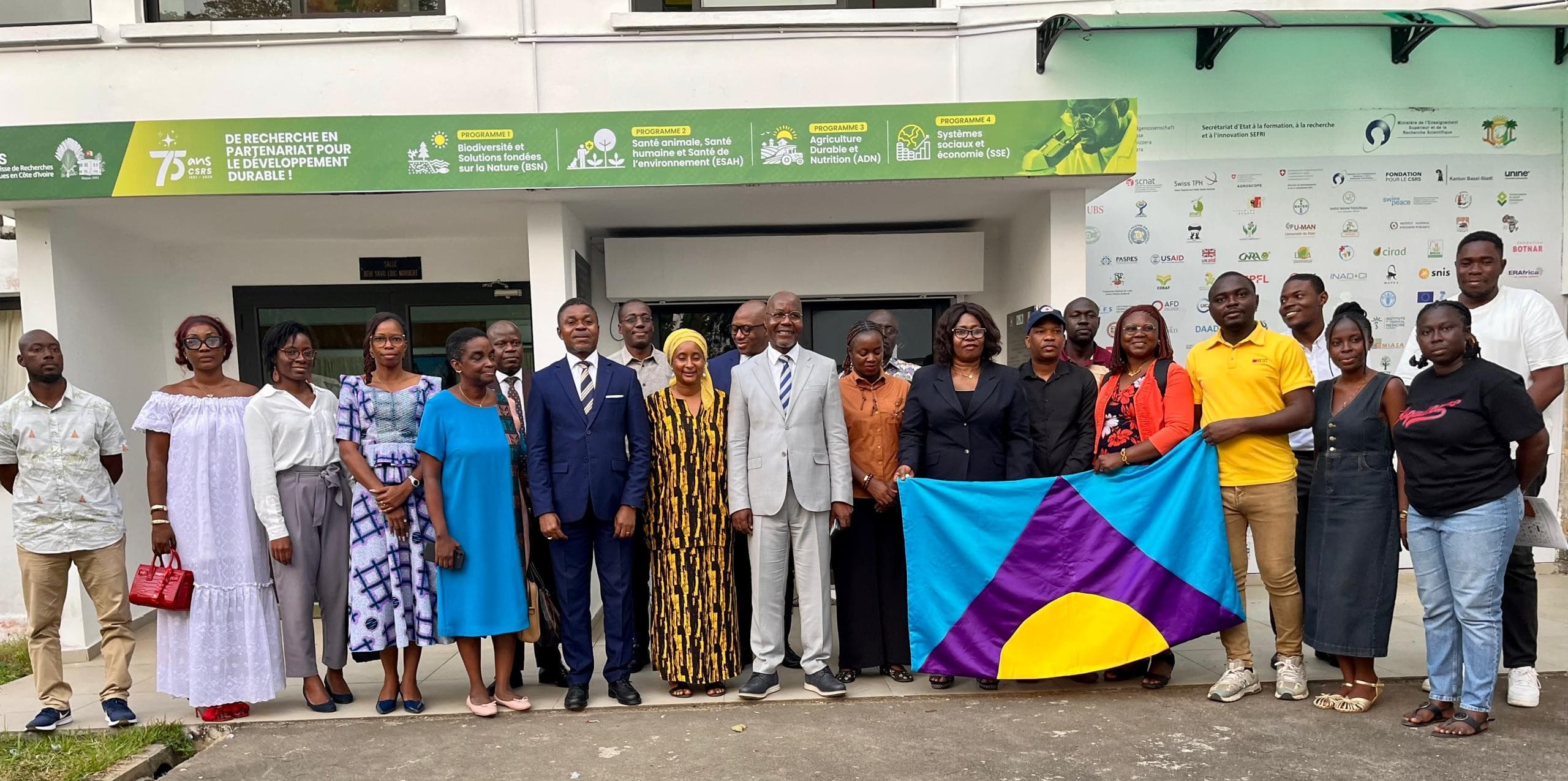
To mark World Meningitis Day, which is celebrated on 5 October each year, the Centre Suisse de Recherches Scientifiques en Côte d’Ivoire (CSRS) brought together researchers, practitioners and communicators. Their shared aim: to assess progress and accelerate the response to eliminate this formidable infection by 2030.
Opening the proceedings following a morning of educational immersion sessions for the pupils, the Director-General of the CSRS, 𝗣𝗿𝗼𝗳𝗲𝘀𝘀𝗲𝘂𝗿 𝗝𝗲́𝗿𝗲́𝗺𝗶𝗲 𝗭𝗼𝘂𝗲𝘂, reiterated the significance of this ongoing commitment: ‘𝑪𝒆𝒍𝒂 𝒄𝒐𝒏𝒔𝒊𝒔𝒕𝒆 𝒂̀ 𝒓𝒆́𝒖𝒏𝒊𝒓 𝒕𝒐𝒖𝒔 𝒍𝒆𝒔 𝒂𝒄𝒕𝒆𝒖𝒓𝒔 𝒕𝒓𝒆̀𝒔 𝒅𝒊𝒗𝒆𝒓𝒔 𝒂̀ 𝒍𝒂 𝒇𝒐𝒊𝒔 𝒄𝒉𝒆𝒓𝒄𝒉𝒆𝒖𝒓𝒔, 𝒄𝒐𝒎𝒎𝒖𝒏𝒊𝒒𝒖𝒂𝒏𝒕𝒔, 𝒇𝒂𝒊̂𝒕𝒊𝒆̀𝒓𝒆𝒔 𝒅𝒆 𝒍𝒖𝒕𝒕𝒆 𝒄𝒐𝒏𝒕𝒓𝒆 𝒄𝒆𝒕𝒕𝒆 𝒎𝒂𝒍𝒂𝒅𝒊𝒆 𝒑𝒐𝒖𝒓 𝒑𝒐𝒖𝒗𝒐𝒊𝒓 𝒆́𝒗𝒂𝒍𝒖𝒆𝒓 𝒍𝒆𝒔 𝒑𝒓𝒐𝒈𝒓𝒆̀𝒔 𝒆𝒇𝒇𝒆𝒄𝒕𝒖𝒆́𝒔 𝒅𝒂𝒏𝒔 𝒄𝒆 𝒅𝒐𝒎𝒂𝒊𝒏𝒆 : 𝒅'𝒂𝒃𝒐𝒓𝒅 𝒂𝒖 𝒏𝒊𝒗𝒆𝒂𝒖 𝒅𝒖 𝒅𝒊𝒂𝒈𝒏𝒐𝒔𝒕𝒊𝒄, 𝒂𝒖 𝒏𝒊𝒗𝒆𝒂𝒖 𝒅𝒆 𝒍𝒂 𝒔𝒖𝒓𝒗𝒆𝒊𝒍𝒍𝒂𝒏𝒄𝒆 𝒆𝒕 𝒂𝒖 𝒏𝒊𝒗𝒆𝒂𝒖 𝒅𝒖 𝒕𝒓𝒂𝒊𝒕𝒆𝒎𝒆𝒏𝒕 𝒂𝒗𝒆𝒄 𝒍'𝒐𝒃𝒋𝒆𝒄𝒕𝒊𝒇 𝒒𝒖𝒆 𝒄𝒆𝒕𝒕𝒆 𝒎𝒂𝒍𝒂𝒅𝒊𝒆 𝒔𝒐𝒊𝒕 𝒆́𝒓𝒂𝒅𝒊𝒒𝒖‘by 2030.’
𝗗𝗿 𝗞𝗮𝗻𝘆 𝗗𝗶𝗮𝗹𝗹𝗼, head of the molecular epidemiology research team at the CSRS, highlights the extreme danger posed by this bacterial infection, which requires immediate hospital treatment: “𝑳𝒆𝒔 𝒊𝒏𝒇𝒆𝒄𝒕𝒊𝒐𝒏𝒔 𝒃𝒂𝒄𝒕𝒆́𝒓𝒊𝒆𝒏𝒏𝒆𝒔, 𝒆𝒏 24 𝒉𝒆𝒖𝒓𝒆𝒔, 𝒐𝒏 𝒑𝒆𝒖𝒕 𝒎𝒐𝒖𝒓𝒊𝒓. And that𝒆𝒔𝒕 𝒗𝒓𝒂𝒊𝒎𝒆𝒏𝒕 𝒖𝒏𝒆 𝒖𝒓𝒈𝒆𝒏𝒄𝒆 𝒎𝒆́𝒅𝒊𝒄𝒂𝒍𝒆, 𝒊𝒍 𝒇𝒂𝒖𝒕 𝒂𝒍𝒍𝒆𝒓 𝒂̀ 𝒍'𝒉𝒐̂𝒑𝒊𝒕𝒂𝒍.” In doing so, she debunks a persistent geographical misconception that the condition spares the rest of the country: “𝑪𝒆𝒕𝒕𝒆 𝒊𝒅𝒆́𝒆 𝒒𝒖𝒆 𝒍𝒂 𝒎𝒆́𝒏𝒊𝒏𝒈𝒊𝒕𝒆 𝒄’𝒆𝒔𝒕 𝒖𝒏 𝒑𝒓𝒐𝒃𝒍𝒆̀𝒎𝒆 𝒅𝒖 𝒏𝒐𝒓𝒅 𝒅𝒖 𝒑𝒂𝒚𝒔, 𝒋𝒆 𝒑𝒆𝒏𝒔𝒆 𝒒𝒖'𝒊𝒍 𝒇𝒂𝒖𝒕 𝒒𝒖'𝒐𝒏 𝒂𝒓𝒓𝒆̂𝒕𝒆 𝒅𝒆 𝒑𝒆𝒏𝒔𝒆𝒓 𝒄𝒐𝒎𝒎𝒆 𝒄̧𝒂. 𝑰𝒍 𝒚 𝒂 𝒍𝒂 𝒎𝒆́𝒏𝒊𝒏𝒈𝒊𝒕𝒆 𝒑𝒂𝒓𝒕𝒐𝒖𝒕 𝒅𝒂𝒏𝒔 𝒍𝒆 𝒄𝒆𝒏𝒕𝒓𝒆-𝒐𝒖𝒆𝒔𝒕.”
Whilst the initial clinical symptoms (high fever, aching muscles) often resemble those of malaria, early diagnosis is a challenge. For Dr Diallo, the first step must come from within the family: “For a suspected case to be identified, the person must be taken to a health centre by their family.”
The cost of delay is devastating: one in five survivors suffers irreversible consequences (deafness, blindness, amputations or learning difficulties at school that are only detected several years later).
Noting that no vaccine offers complete protection against all bacterial strains, the researcher calls for collective responsibility: ‘It’s not the information itself; perhaps it’s the way we present it. 𝑳𝒆𝒔 𝒄𝒐𝒎𝒎𝒖𝒏𝒊𝒄𝒂𝒏𝒕𝒔, 𝒄'𝒆𝒔𝒕 𝒖𝒏 𝒑𝒍𝒂𝒊𝒅𝒐𝒚𝒆𝒓 𝒗𝒆𝒓𝒔 𝒗𝒐𝒖𝒔: 𝒇𝒂𝒊𝒕𝒆𝒔 𝒑𝒂𝒔𝒔𝒆𝒓 𝒄𝒆𝒕𝒕𝒆 𝒊𝒏𝒇𝒐𝒓𝒎𝒂𝒕𝒊𝒐𝒏! ’ When a child has a sudden high fever accompanied by a headache, the first instinct is still, all too often, to suspect malaria or simply to wait and see.
Abdoul Sangaré / Radio Santé CIV