75th anniversary of the CSRS: Prof. Jérémie T. Zoueu calls for scientific research that is ‘open to society’
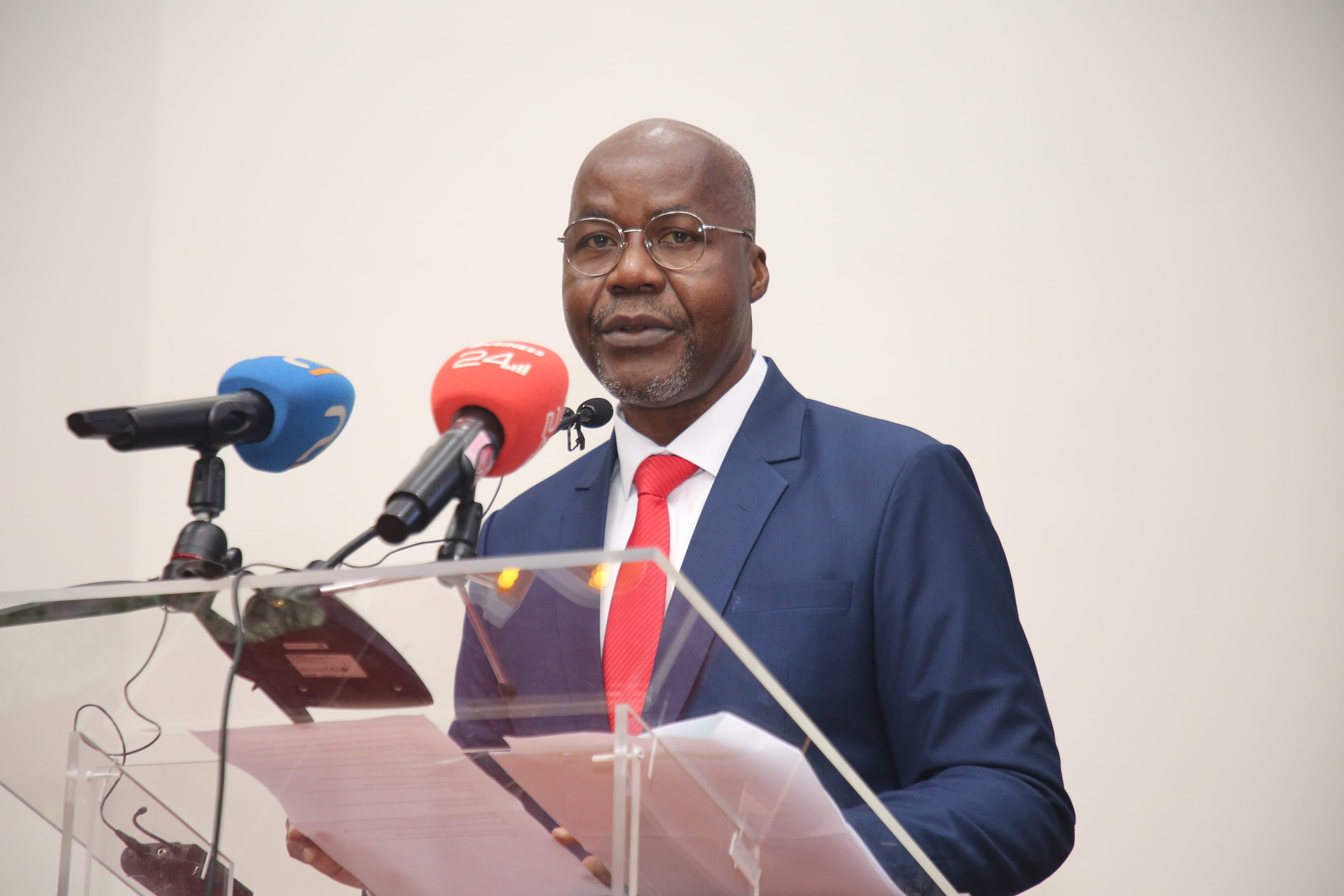
On 22 September 2026, the Director-General of the Centre for Research on Social Sciences and the Humanities (Centre Suisse de Recherches Scientifiques en Côte d’Ivoire, CSRS), Professor Jérémie T. Zoueu, called for a strengthening of scientific research that is “responsible, transdisciplinary, open to society and resolutely impact-oriented”. He was speaking at the opening of the international symposium marking the centre’s 75th anniversary, held from 22 to 24 September in Abidjan.
Held under the theme ‘Scientific Research and Public-Private Partnerships: Catalysts for Sustainable Development and Well-being in Sub-Saharan Africa’, the meeting brought together researchers, public institutions, businesses, technical and financial partners, and development stakeholders. For Professor Jérémie T. Zoueu, the CSRS’s 75th anniversary is a time to take stock, but also to look to the future. “This anniversary must be precisely this moment of remembrance, clarity and looking ahead,” he said in his opening address.
Founded in 1951, the CSRS has developed with dual roots in Côte d’Ivoire and Switzerland. The Director-General presented this position as an asset for fostering dialogue between disciplines, generations, institutions and nations. “No scientific institution grows on its own, and no lasting progress is achieved in isolation,” he emphasised, paying tribute to the Ivorian and Swiss authorities, the General Confederation of Enterprises of Côte d’Ivoire (CGECI), scientific and technical partners, donors, sponsors and universities that support the Centre.
During his speech, the Director-General of the CSRS outlined the main areas in which the institution has developed its activities over the past 75 years: health, food safety, the fight against hunger and malnutrition, social transformation, biodiversity, ecosystems and scientific training. He also emphasised the need for research to evolve in the face of current challenges. “Science must break down its silos,” he stated, calling for dialogue between the life sciences, the physical sciences, the social sciences, engineering, economics, local knowledge and the experience of decision-makers and communities. Public-private partnerships, he argued, are a means of aligning research with economic and social needs. They can “mobilise funding, build capacity, bring innovations closer to users and accelerate their adoption”.
Jérémie T. Zoueu did, however, call for these partnerships to be properly regulated. They “must not, however, be a mere juxtaposition of interests”, he warned, advocating for collaborations based on “clear governance, scientific integrity, social responsibility, transparency and the pursuit of shared impact”.
The conference is focusing on four key areas: food security and resilient, green agriculture; health and well-being from a ‘One Health’ perspective; social and economic innovations for inclusive societies; and capacity-building and artificial intelligence to support competitive African science. The international symposium will continue until 24 September in Abidjan.
worldcanalinfo.com